
Plantar Fasciitis
Plantar Fasciitis In Central Florida
Serving Winter Haven, Lakeland, & Davenport, FL
What is Plantar Fasciitis?
The plantar fascia is a ligament-like band running from your heel to the ball of your foot. This band pulls on the heel bone, raising the arch of your foot as it pushes off the ground. But if your foot moves incorrectly, the plantar fascia may become strained. The fascia may swell and its tiny fibers may begin to fray, causing plantar fasciitis.
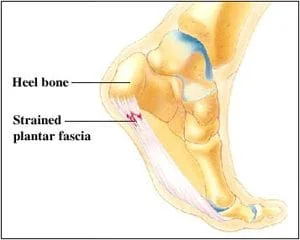
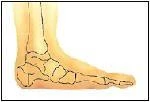
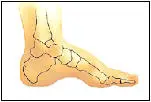
Plantar fasciitis is often caused by poor foot mechanics. If your foot flattens too much, the fascia may overstretch and swell. If your foot
How You Can Develop Plantar Fasciitis
Plantar fasciitis can develop due to several causes, including:
- Overpronating, or rolling your feet when you walk
- Having flat feet, being older, or being overweight
- Standing or walking on hard surfaces for long periods
- Running, jogging, or performing other activities causing a high degree of foot stress
Signs and Symptoms of Plantar Fasciitis
The most common symptom of plantar fasciitis is stabbing, aching heel pain, and pain on the side of your foot. When you experience plantar fasciitis pain, the pain might:
- Be worse in the morning when you first wake up
- Increase when you stand from a seated position
- Increase after exercising or being active
What You Can Do for Mild Plantar Fasciitis Pain
You may be able to relieve mild plantar fasciitis pain with a few simple home treatments, including:
- Applying ice to your heel several times daily
- Stretching your arches daily
- Taking over-the-counter anti-inflammatory and pain medication
- Wearing comfortable, supportive shoes
- Avoiding going barefoot
When To Visit Your Podiatrist for Help with Plantar Fasciitis
It’s time to visit your podiatrist if your plantar fasciitis pain is frequent or continuous, is affecting your mobility, or if home remedies don’t provide relief.
How Your Podiatrist Can Treat Plantar Fasciitis
There are several ways your podiatrist can treat plantar fasciitis, and your podiatrist may recommend:
- Custom orthotics to provide support
- Physical therapy to enhance flexibility and mobility
- Prescription anti-inflammatory medication to reduce swelling and pain
- Cortisone injections around your heel to reduce inflammation and pain
Surgery may be recommended in severe cases, or if other treatments don’t provide enough relief.
Related Problems
A heel spur is extra bone that may grow near the spot where the plantar fascia attaches to the heel. The heel spur may form in response to the plantar fascia's tug on the heel bone.
Bursitis is the swelling of a bursa, a fluid-filled sac that reduces friction between a ligament and a bone. Bursitis may develop if a swollen plantar fascia presses against a plantar bursa.